

Is it the cold, flu, or RSV?
Cold and flu season often packs a punch with symptoms like fever, sore throat, and congestion. No one wants to feel under the weather, especially with holiday gatherings and seasonal activities keeping schedules jam-packed. So, if you’re feeling crummy, what’s to blame? Is it the common cold, or could it be something more?
According to Cuyuna Regional Medical Center Pediatrician Wendi Johnson, MD, FAAP, most respiratory illnesses occur between November and April. The best defense is to practice good hand hygiene—scrub with soap and warm water, and use hand sanitizer when available.
Respiratory Syncytial Virus (RSV) is most commonly seen in adults over 60 and in babies. “RSV causes a ‘nasal faucet,’ or extremely runny, drippy nose, in people of all ages. When it becomes a lower respiratory tract infection, we hear wheezing. It used to be thought that only small children wheezed, but now we recognize that patients with asthma and older adults can also experience breathing difficulties,” said Dr. Johnson. According to the U.S. Centers for Disease Control and Prevention (CDC), each year in the United States, an estimated 58,000–80,000 children younger than five years are hospitalized due to RSV.
RSV Facts:
- One of the most common causes of winter outbreaks.
- The most common reason for hospital admission in the first year of life.
- Spreads through infected individuals coughing or sneezing, as well as contact with contaminated surfaces or direct contact.
- Incubation period ranges from 2 to 8 days.
- Symptoms include low-grade fever, runny nose, sneezing, congestion, and wheezing.
Not all symptoms may be present. In young infants, symptoms might be limited to irritability, decreased activity, and breathing difficulties.
There is no specific treatment for RSV, but it can be managed with over-the-counter medications for adults. Vaccines are available for expectant mothers, babies, and seniors.
Influenza is a contagious respiratory illness caused by influenza viruses. Cases can range from mild to life-threatening. “With influenza, older kids and adults often describe feeling achy and sore, whereas small children become irritable and clingy. Fever is usually prominent in both the young and old,” said Dr. Johnson. Flu shots are available yearly and are updated to match the current strain projected for the upcoming flu season.
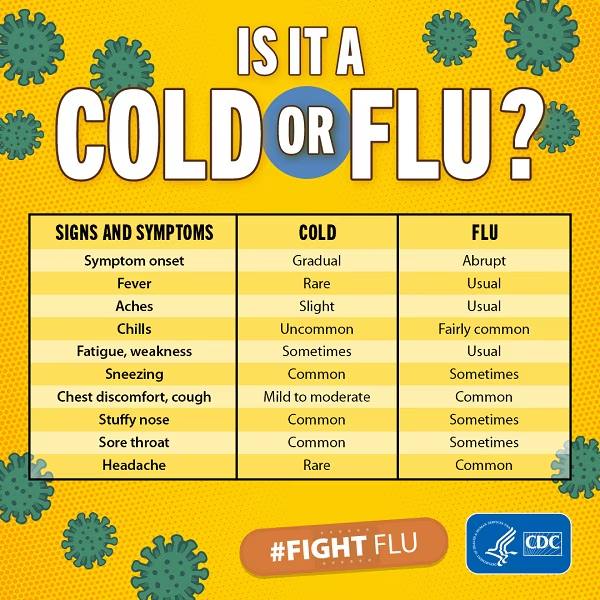
Curious if you’re battling the common cold or flu? This CDC graph might help you decide whether to call your pediatrician or family provider for a checkup. “Really, adults (or children) with a fever, cough, or runny nose are more likely to spread their germs and should probably stay home,” said Dr. Johnson.
Learn and Live Well
Check out our blogs, stories, and events to inspire your healthy living.

Don’t Let Summer Fun Land You in the ER
Stay safe this summer with tips on drowning prevention, running, biking, and heat exhaustion. Avoid injuries and make the most of the season.
Continue Reading…
Tick Alert: Safeguarding your Summer Activities
Mosquitoes and ticks can quickly spoil summer fun. If you enjoy spending time in nature or have pets that go outdoors, you need to be aware of these pesky parasites and the dangers they can potentially pose.
Continue Reading…