

Spine Surgery
At Cuyuna Regional Medical Center, we understand that surgery is a major decision. That’s why our board-certified spine surgeon explore every non-surgical option first. When surgery is necessary, we use the latest minimally-invasive techniques to correct spinal problems, relieve pressure, and help you regain your quality of life.

Advanced Technology. Less Downtime.
CRMC offers the latest in robotic-assisted and minimally invasive spine surgery—designed for precision, safety, and faster recovery. These advanced techniques use smaller incisions, which often means less pain, fewer complications, and a quicker return to daily life.
With the help of robotic technology, our fellowship-trained spine surgeon can perform even complex procedures with greater accuracy so you heal better and faster.
Request a Consult
Surgery Procedures Offered
- Anterior Cervical Decompression Fusion
- Anterior Cervical Disc Arthroplasty
- Extreme Lateral Interbody Fusion
- Foraminotomy
- Fracture Care
- Laminectomy / Laminotomy
- Microdiscectomy
- Posterior Cervical Fusion
- Posterior Lumbar Fusion / Transforaminal Lumbar Interbody Fusion
-
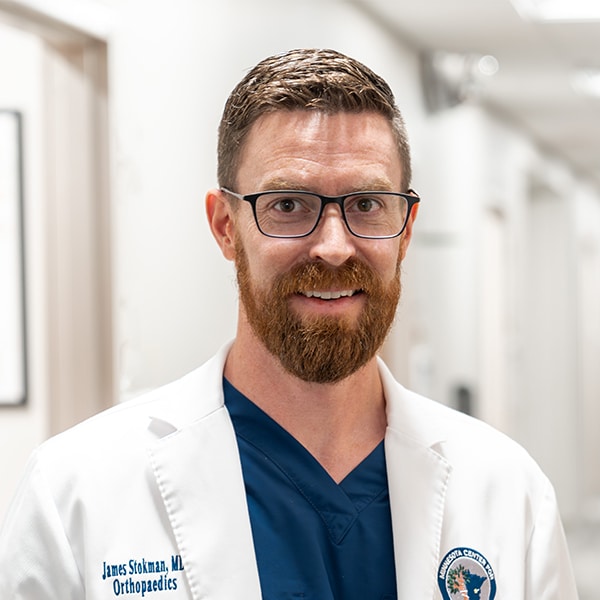
James Stokman, MD
Orthopaedics, Spine Surgery
Crosby
-

Adam English, CNP
Orthopaedics, Hip, Knee, Hand & Wrist, Foot & Ankle, Shoulder & Elbow, Spine Surgery
Crosby
-

John Reimer, CNP
Orthopaedics, Hip, Knee, Foot & Ankle, Hand & Wrist, Shoulder & Elbow, Spine Surgery
Crosby
-

Meredith DeCent, PA-C, MPAS
Orthopaedics, Spine Surgery
Crosby
-

Paige Kane, PA-C
Orthopaedics, Spine Surgery
Crosby,
Baxter
Common Questions About Surgery
How do I know if I need spine surgery?
Spine surgery is usually considered only after non-surgical treatments—like physical therapy, medications, or injections—have not relieved symptoms. If you’re experiencing ongoing pain, weakness, or numbness in your back, legs, or arms that affects your daily life, your provider may recommend imaging and a surgical consultation to determine if surgery is appropriate.
What is the difference between minimally invasive and traditional spine surgery?
Minimally invasive spine surgery uses smaller incisions and special tools to reduce damage to surrounding tissue. This approach can lead to less pain, shorter hospital stays, and quicker recovery compared to traditional open surgery, which involves larger incisions and more muscle disruption. Your surgeon will help determine which method is best for your condition.
How long is the recovery time after spine surgery?
Recovery time depends on the type of surgery performed and your overall health. Some minimally invasive procedures allow patients to return to light activity within a few weeks, while more complex surgeries may require several months of healing. Your care team will give you a detailed recovery plan based on your procedure.
Will I need physical therapy after surgery?
Yes, most patients benefit from physical therapy to regain strength, flexibility, and mobility after spine surgery. Your provider will refer you to a physical therapist who specializes in post-surgical spine care and will create a program tailored to your recovery goals.
What are the risks or potential complications?
All surgeries carry some risk. For spine surgery, these may include bleeding, infection, nerve injury, blood clots, or anesthesia-related issues. Your surgeon will review the specific risks based on your health history and the type of surgery being performed.
How much pain should I expect after surgery?
Some pain and discomfort are expected, especially in the first few days after surgery. However, your care team will provide medications and non-medical techniques to manage it. Most patients experience steady improvement in pain levels during the healing process.
When can I return to work, driving, or normal activities?
This depends on your surgery type, job demands, and recovery progress. Some patients return to light work and driving within a few weeks, while others may need more time. Your surgeon will give you personalized guidance and clear instructions based on your recovery milestones.
How should I prepare for spine surgery?
Preparing for surgery is key to a smooth recovery. It’s especially important to follow pre-surgery instructions about eating, drinking, medications, and hygiene. For example, you’ll likely need to stop eating at midnight the night before and avoid certain medications like blood thinners. Failing to follow these guidelines could delay your procedure.