

Hernia Repair
Hernia Specialists of Minnesota

Your Hernia. Your Choice.
As the Hernia Specialists of Minnesota at Cuyuna Regional Medical Center, we understand that many hernia patients are not offered a choice. For decades, we have prided ourselves on working with our patients through a shared decision-making process to develop a treatment plan. We offer a wide range of repair and reinforcement options, allowing us to do what is right for you.


Hernia Repair Techniques
Once a hernia is diagnosed, the next step is deciding on a repair technique. We specialize in modern repair techniques and prefer minimally invasive options whenever possible. Traditional open surgery involves a single incision, leading to more pain and longer recovery. Minimally invasive surgery, including robotic-assisted techniques, results in less pain and quicker recovery, with most patients going home the same day.
-
Hernia Education
Learn more about hernias, causes and diagnosis
-
Mesh Hernia Repair
Learn everything about mesh hernia repair
-
Da Vinci Robot
Learn about robot-assisted surgery
-
Prepare for Your Hernia Consultation
Our goal is to make your hernia experience as easy and smooth as possible
-
Hernia Post-Op Instructions
Discharge instructions for hernia surgery
-

Andrew Loveitt, DO
Surgery, Hernia Repair, Heartburn & Reflux, Weight Loss Services, Surgical Weight Loss
Crosby
-

Evan Kelly, MD
Surgery, Weight Loss Services, ERCP, Surgical Weight Loss, Hernia Repair, Heartburn & Reflux
Crosby
-

Shawn Roberts, MD, FACS
Surgery, Hernia Repair, Heartburn & Reflux, Weight Loss Services, Surgical Weight Loss
Crosby
-

Timothy P. LeMieur, MD, FACS
Surgery, Hernia Repair, Heartburn & Reflux, Weight Loss Services, Surgical Weight Loss
Crosby
-
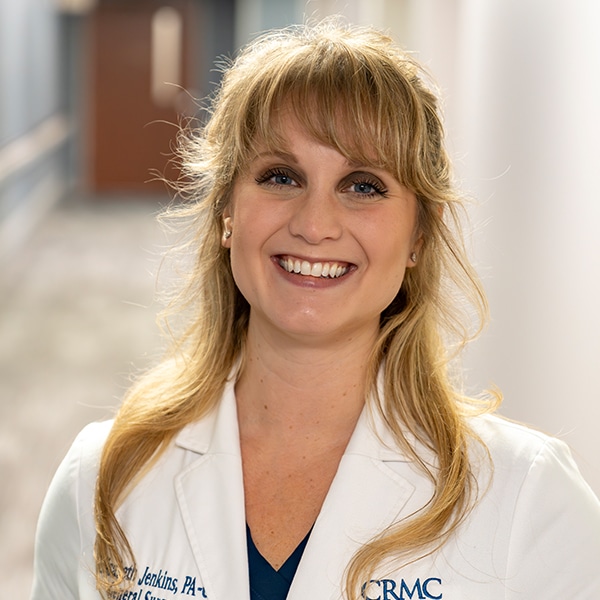
Elisabeth Jenkins, PA-C
Surgery, Hernia Repair, Weight Loss Services, Surgical Weight Loss
Crosby
-

Staci Roslansky, APRN, CNP
Surgery, Hernia Repair, Weight Loss Services, Surgical Weight Loss
Crosby

Healthy Living Tips
Sign up for our free newsletters to get the best of our healthy living tips and the latest news from Cuyuna Regional Medical Center delivered straight to your inbox.
Subscribe Now