

Is That Bump on Your Foot a Bunion? How Minimally Invasive Surgery Can Help
Many people think of a bunion as simply a bump on the side of the foot. In reality, a bunion is a progressive condition that can affect comfort, mobility, balance and overall quality of life. The good news is that treatment has come a long way, and minimally invasive bunion surgery is helping many people move more comfortably.
What Is a Bunion?
Bunions, known medically as hallux valgus, occur when the joint at the base of the big toe gradually moves out of alignment. As the big toe shifts toward the smaller toes, a bony bump develops on the side of the foot. Over time, this misalignment can become increasingly painful and make everyday activities more difficult.
How Common Are Bunions?
Bunions are extremely common. A large systematic review in the Journal of Foot and Ankle Research included nearly 500,000 participants. It estimated that bunions affect about 23% of adults ages 18 to 65 and more than 35% of adults over age 65.
What Are the Symptoms of a Bunion?
Some people experience only mild symptoms. Others find that bunions interfere with walking, exercising, working and enjoying hobbies. Common signs include:
- A bony bump on the side of the foot at the base of the big toe
- Pain, stiffness or swelling
- Trouble finding comfortable shoes
- Changes in the way you walk
Advanced bunions can also lead to hammertoes, calluses, balance problems and more difficulty with daily activities.
“Bunion pain is often something people gradually adapt to,” said Dr. Kyle Moore, a foot and ankle surgeon at Cuyuna Regional Medical Center (CRMC). “Many patients tell us they’ve been changing their activities, avoiding certain shoes, or putting up with discomfort for years before seeking help.”
What Causes Bunions?
There is no single cause of bunions. Genetics often plays a major role, which is why they frequently run in families. Certain foot structures, arthritis and other mechanical factors can also contribute.
Tight or narrow shoes don’t necessarily cause bunions. However, they can worsen symptoms and speed up discomfort in people who are already prone to the condition.
Can Bunions Be Treated Without Surgery?
Yes, some bunions can be managed without surgery, especially in their earlier stages. Conservative treatments may include:
- Wearing shoes with a wider toe box
- Custom orthotics
- Padding or spacers
- Activity modifications
- Anti-inflammatory treatments
These approaches may help reduce pain and pressure. However, nonsurgical treatments do not correct the underlying deformity.
When Should You See a Foot and Ankle Surgeon?
If pain continues to affect your daily activities despite conservative treatment, it may be time to speak with a foot and ankle surgeon. Bunions tend to worsen over time rather than improve on their own. The sooner you understand your options, the sooner you can make informed decisions about your foot health.
What Is Minimally Invasive Bunion Surgery?
Minimally invasive bunion surgery uses small incisions and specialized instruments to realign the bones and correct the deformity. Traditional procedures may require larger incisions. The goal is the same: restoring alignment, reducing pain and improving function.
For appropriate candidates, minimally invasive approaches may result in less disruption to surrounding tissues, smaller scars and a more comfortable recovery experience.
“One of the biggest misconceptions we hear is that bunion surgery is always a long, difficult recovery,” said Dr. Stephen C. Schmid, CRMC Foot and Ankle Surgeon. “Today’s minimally invasive techniques have expanded the options available to many patients. The right treatment depends on the individual, but we can often help patients get back to the activities they enjoy with less pain and improved function.”
Is Minimally Invasive Bunion Surgery Right for You?
Not every bunion requires surgery, and not every patient is a candidate for a minimally invasive approach. The best place to start is a comprehensive evaluation by a foot and ankle specialist. They can assess the severity of the deformity and discuss all available treatment options.
Where Can You Get Bunion Care in the Brainerd Lakes Area?
At CRMC, patients have access to specialized foot and ankle care, including minimally invasive bunion surgery, close to home. CRMC is a Center of Excellence for Foot & Ankle Surgery.
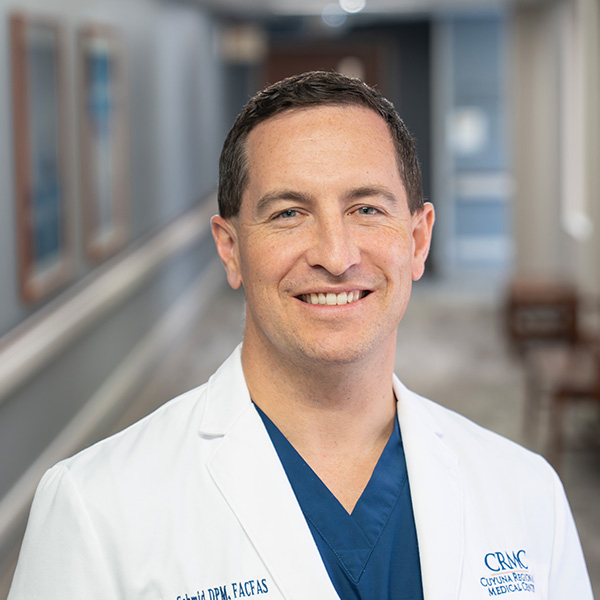
Board-certified foot and ankle surgeons Dr. Kyle Moore and Dr. Stephen C. Schmid see patients in Crosby and Baxter, and Dr. Moore also sees patients in Breezy Point.

Talk With a CRMC Foot and Ankle Surgeon
If foot pain is keeping you from walking comfortably, exercising, golfing, enjoying the outdoors or simply getting through your day without discomfort, help is available in the Brainerd Lakes Area.
Our foot and ankle surgeons can evaluate your bunion and discuss all of your treatment options, including minimally invasive bunion surgery.
To schedule an appointment with CRMC’s foot and ankle team, call 218-545-4475 or request an appointment online.
Request a Podiatry Appointment
Call 218-545-4475 or complete the form below. A member of our team will contact you to schedule your visit.